

How In Building Das Systems in Houston Support Reliable Connectivity Across Dense Commercial Structures
199 Views
Key Points:
- Dense commercial materials can weaken indoor cellular signals across large properties.
- Capacity planning should consider device demand, visitor traffic, and peak business hours.
- RF design helps balance signal strength and reduce weak or overlapping coverage areas.
- Distributed antennas bring cellular coverage closer to users in high-use building zones.
- Smart antenna placement helps improve service without adding unnecessary equipment.
- Careful installation protects signal quality and makes future maintenance easier.
- Testing helps find weak spots, damaged connections, and settings that need adjustment.
- Renovations and higher device demand can change indoor coverage over time.
- Clear records and scalable planning make future upgrades easier and less disruptive.
Houston commercial buildings often contain materials and layouts that weaken indoor cellular service. Reinforced concrete, steel framing, coated glass, elevator shafts, and underground parking can block signals before they reach people inside. This problem is common in offices, hotels, hospitals, warehouses, and mixed-use properties. Staff, tenants, and visitors may face dropped calls, slow mobile data, or weak service while moving through busy parts of the building. These problems can disrupt everyday work without warning.
Reliable indoor coverage needs more than a strong outdoor signal. Large commercial properties need a planned network that brings coverage closer to busy rooms, shared spaces, service areas, and deep interior zones. A strong plan considers building materials, carrier signals, daily traffic, equipment locations, and future growth. When design, installation, testing, and maintenance work together, users receive steadier service across the property throughout the working day. This creates a smoother experience for everyone inside.
In Building Capacity Planning for Growing Device Demand
Good coverage does not always mean strong performance during busy periods. A phone may show several signal bars while calls, uploads, or mobile apps still slow down. In-building DAS systems should be around both signal reach and the number of connected devices. Designers review staff levels, visitor traffic, tenant activity, and important mobile tasks to understand where demand may rise during normal operations and peak business hours. This supports a more accurate capacity plan.
Future growth should also be considered before installation begins. A property may add tenants, expand teams, introduce mobile payment tools, or rely more on connected security and business apps. Leaving room for extra equipment and new coverage zones makes later upgrades easier. Clear cable routes, organized telecom rooms, and accurate drawings allow the network to grow without major ceiling work or long disruptions across several active floors. It also helps control future upgrade costs.
Dense Commercial Materials Create Signal Barriers
Dense building materials can block, reflect, or absorb radio signals. Concrete floors may weaken service between levels, while metal walls and equipment can create uneven coverage within the same space. Energy-efficient glass can also reduce signals coming from outdoor towers. A phone may work well near a window but lose strength in an elevator lobby, interior hallway, basement, or office near the center of the building. Coverage may change sharply within only a few steps.
Read More: Boosting Attendance: Using LinkedIn Ads to Drive Webinar and Event Registrations
The shape of a building also affects cellular coverage. Long hallways, enclosed stairwells, loading areas, and underground garages can create difficult signal paths. Tenant changes may add new walls, heavy doors, storage units, or mechanical equipment that create more barriers. A site survey helps identify these conditions early and allows the project team to focus on areas where weak coverage affects daily communication and business activity most. It also helps avoid wasted work later.
Distributed Antenna RF Design for Indoor Signal Performance
RF design turns survey results into a clear plan for indoor coverage. Engineers review carrier signals, floor layouts, cable distances, antenna types, and the effect of building materials. They also study how nearby coverage zones may interact across rooms and floors. In-building distributed antenna systems work better when signal levels are planned carefully. Each antenna can support its intended area without creating too much overlap or leaving weak spaces nearby.
Balanced design must support both receiving and sending information. A device may receive a call clearly but still struggle to send voice or data back to the network. This can lead to failed calls, delayed messages, and unstable mobile apps. Engineers check both directions when setting performance goals. Clear targets also help installation and testing teams understand what each area should deliver, making problems easier to find and correct before completion.
Building Distributed Coverage Reaches High-Use Building Zones
In-building DAS systems spread cellular signals through several antennas placed across a property. Instead of relying on one signal source to reach every floor and room, the network brings coverage closer to users. This approach works well in conference areas, reception spaces, garages, medical rooms, warehouses, and other locations where outdoor signals may be weak. Better distribution helps calls and mobile data remain steady as people move through the building.
Antenna placement should match how people use each area. A busy lobby may need more support than a storage room, while a conference floor may face short periods of heavy demand. Designers review occupancy, movement, ceiling access, and surrounding materials before choosing locations. Correct spacing helps prevent large gaps and too much overlap. It also avoids placing extra equipment in areas where it would offer little practical value. This keeps the design practical and cost-effective.
Installation Quality Protects Long-Term Reliability
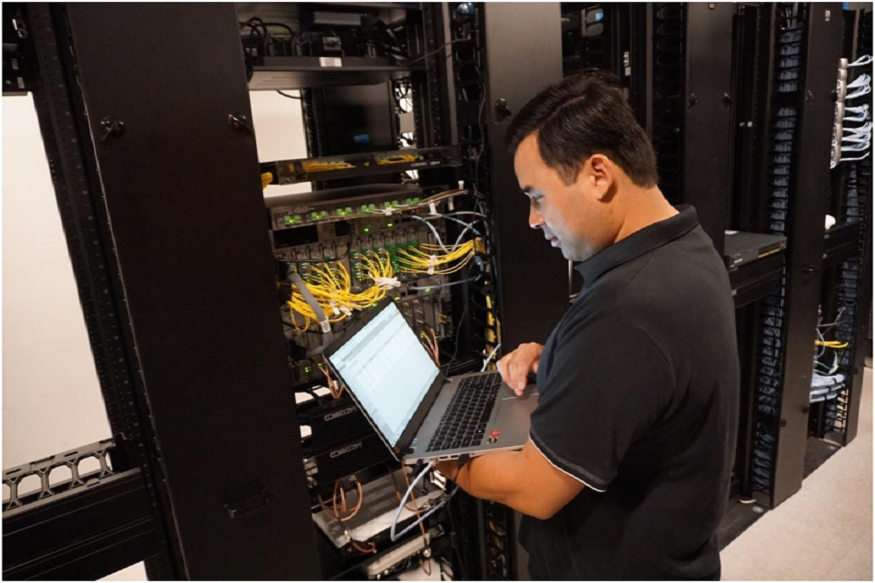
A strong design can still perform poorly when installation work is rushed. Loose connectors, damaged cables, sharp bends, unclear labels, and crowded equipment areas can weaken signals or make repairs harder. Installers should follow approved routes, protect cable runs, and keep antennas and supporting equipment easy to identify. Careful workmanship reduces hidden signal loss and helps technicians locate problems without opening several ceilings or interrupting large parts of the building.
A professional In-building distributed antenna systems project should also consider normal building operations. Access rules, tenant schedules, security needs, and restricted ceilings can affect each stage of the work. A clear sequence helps crews install cable paths, mount antennas, test connections, and restore work areas with less disruption. Regular communication with property teams also reduces delays caused by missing access, crowded spaces, or last-minute schedule changes. This keeps the project easier to manage.
Testing Keeps Coverage Consistent Over Time
Testing confirms whether the completed network works well in real building conditions. Technicians measure signal quality in offices, hallways, elevators, garages, stairwells, and other important areas. They may also test calls and mobile data while moving between coverage zones. These checks can reveal weak points, excessive overlap, damaged connections, or settings that need adjustment. Testing before final closeout gives the team time to correct issues while access is still easy.
Read More: Do Plumbers Need a Virtual Answering Service? Here’s What a Top New York Service Provider Recommends
Indoor coverage may change after the project is finished. New walls, stronger doors, tenant renovations, moved equipment, and higher device demand can affect how signals travel. Regular reviews help property teams find these changes before they cause widespread complaints. Keeping floor plans, test results, antenna locations, and maintenance records together makes future service easier. Technicians can compare new readings with earlier results and focus repairs on areas that truly need attention.
Reliable Connectivity Starts With Careful Planning
Dense commercial buildings can provide reliable cellular service when indoor coverage is treated as important infrastructure. Surveys identify signal barriers, RF design creates balanced coverage, careful installation protects performance, and testing confirms the result. Capacity planning and organized records also prepare the property for future growth. Together, these steps support steadier calls and mobile data across busy floors, interior rooms, shared spaces, garages, and service areas throughout the property. The result is a more dependable indoor experience.
CMC Communications supports Houston commercial properties with cellular DAS design, installation, engineering, and pre- and post-installation testing. Their team can review building conditions, carrier needs, busy areas, and future growth before suggesting a practical solution. By combining detailed surveys, organized fieldwork, scalable equipment, and clear test records, they help owners improve indoor connectivity across offices, hotels, healthcare facilities, warehouses, garages, and other dense commercial properties with less disruption to daily business.
Frequently Asked Questions
Question: Why do dense commercial buildings often have weak indoor cellular signals?
Answer: Concrete, steel, coated glass, elevator shafts, and enclosed spaces can block or reflect signals from outdoor towers. This often causes weak or uneven service in basements, garages, stairwells, interior offices, and rooms located far from outside walls.
Question: How does an indoor antenna network improve coverage?
Answer: It carries cellular signals through planned cable routes and shares them through antennas placed closer to users. This reduces the distance signals must travel through heavy building materials and creates more even coverage across floors, hallways, shared spaces, and service areas.
Question: Which parts of a commercial property should be tested first?
Answer: Teams should test garages, elevators, stairwells, interior offices, meeting rooms, loading areas, and places where users report weak service. Testing movement between floors can also reveal signal problems that may not appear while the building is quiet.
Question: Can renovations affect indoor cellular performance?
Answer: Yes. New walls, fire-rated doors, metal storage, mechanical equipment, and layout changes can affect how signals move through the property. Testing after major renovations helps teams find new weak areas and correct them before they affect daily work.
Question: How can building owners prepare for future connectivity demand?
Answer: They can plan clear cable routes, organized equipment spaces, spare capacity, and practical upgrade options from the beginning. Keeping final drawings, antenna locations, test results, and maintenance records also makes future improvements easier and less disruptive.